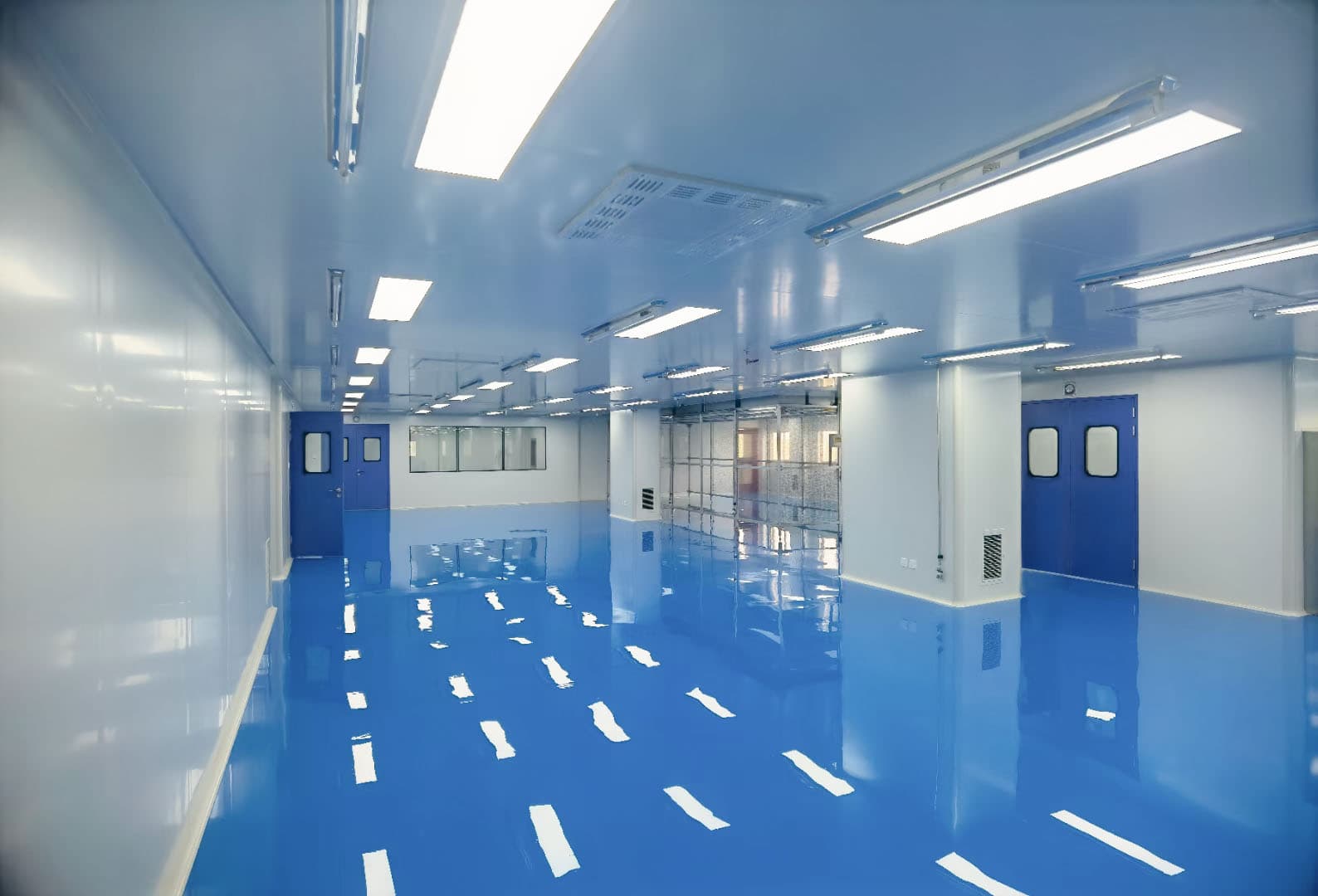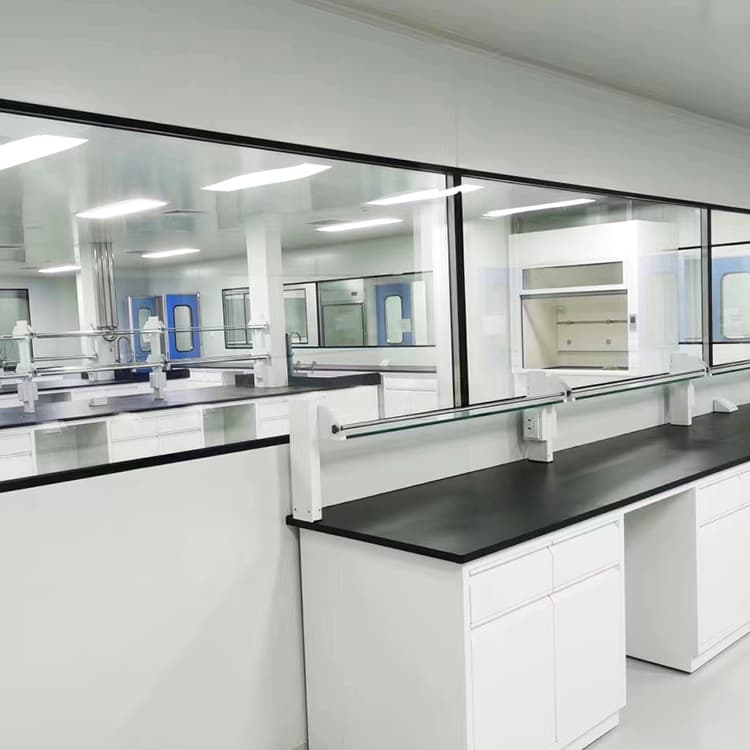
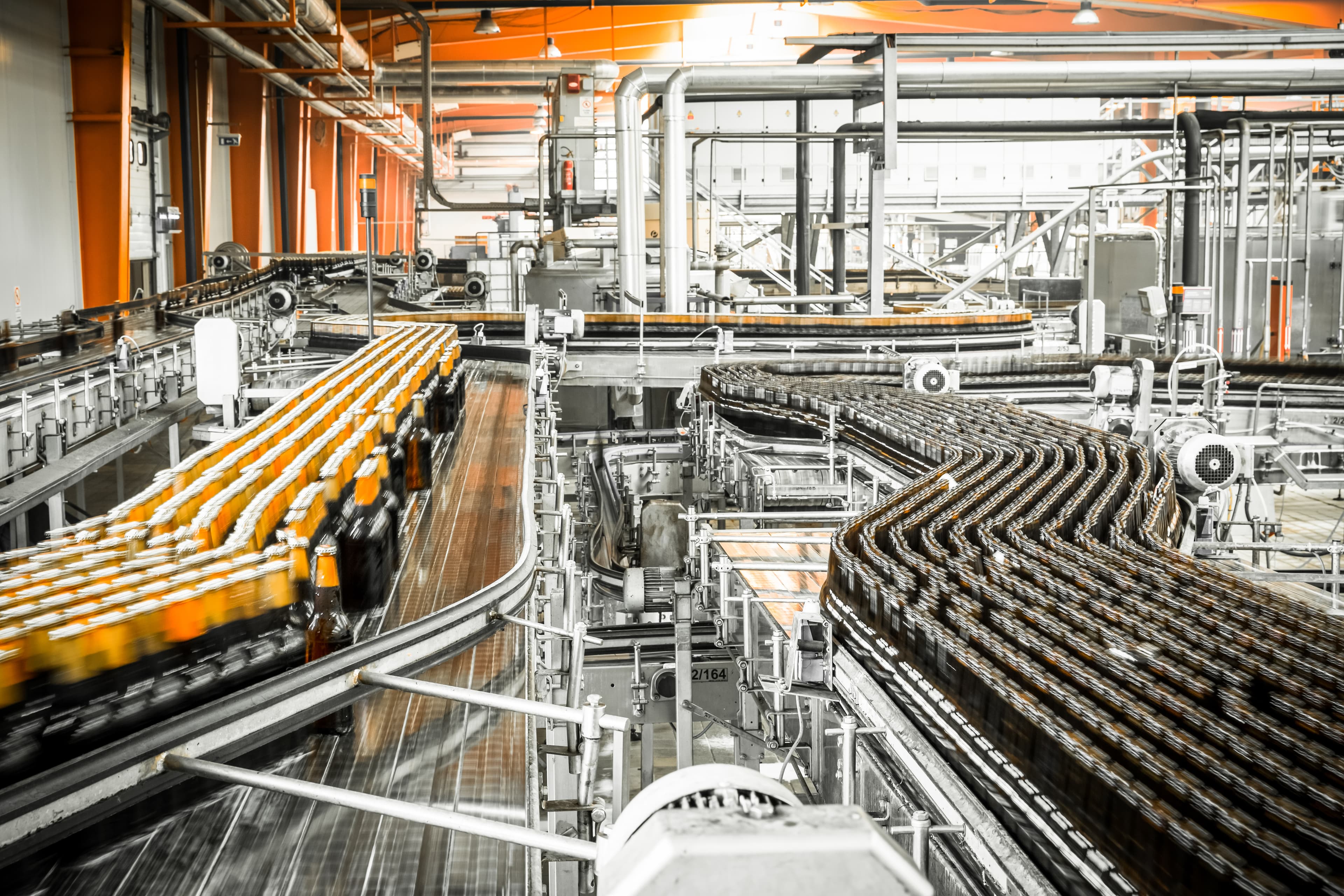
Clean airflow at the moments product is most exposed.

Industry customers

All featured customers
  • 倍乐(福建)食品科技有限公司
  • 宜昌人福特医食品有限公司
  • 千禾味业食品股份有限公司
  • 河南百川食品有限公司
  • 河南汇元特殊医学用途配方食品有限公司
5 of 5 customers shown

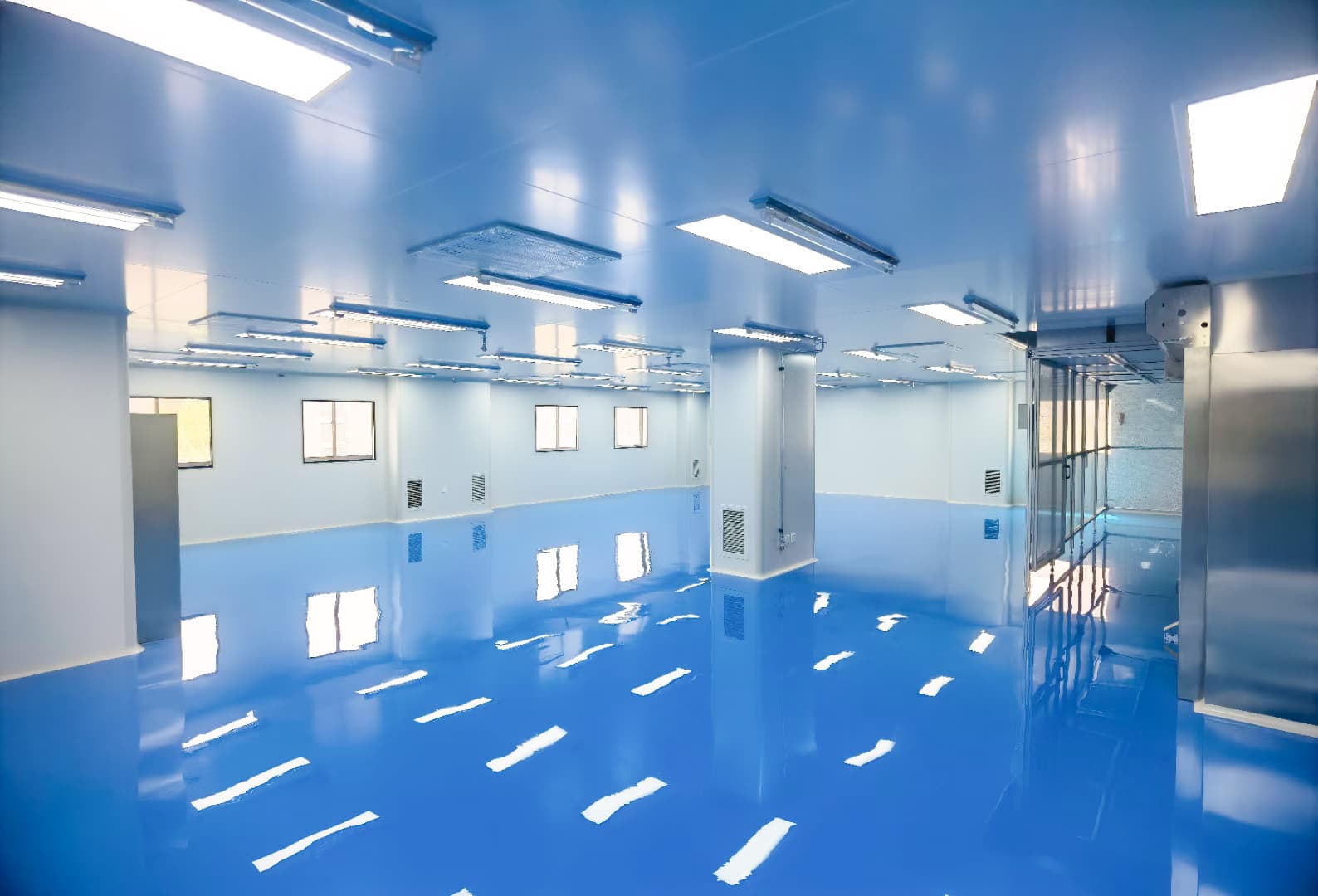
Cleanroom for Food & beverage

Food & beverage application: A controlled room environment coordinated around airflow, pressure relationships, personnel movement, and process needs.

Plan clean areas around exposed food and beverage handling, filling, and packaging. Coordinate the movement of personnel, containers, and materials with the production-line layout.

  • Organize work areas around handling, filling, and packaging
  • Define routes for personnel and materials entering production
  • Plan cleaning and maintenance around production schedules
View product

Air Shower for Food & beverage

Food & beverage application: A controlled personnel or material entry step that reduces avoidable particulate transfer between adjacent spaces.

Establish a clear personnel transition at the entrance to food and beverage production areas. Integrate the air shower with changing areas, access routes, and the routine sequence for entering production.

  • Connect personnel routes between changing and production areas
  • Organize entry procedures around shift patterns
  • Keep access available for cleaning and maintaining entry equipment
View product

Airborne Particle Counter for Food & beverage

Food & beverage application: Portable airborne-particle measurement for cleanroom verification, reporting, and point-of-use investigation.

Airborne particles scatter light when illuminated, a phenomenon known as light scattering. Scattering depends on particle size, light wavelength, particle refractive index, and the light absorption characteristics of the particles. For scattered-light intensity and particle size, particle counters follow a basic principle: the intensity of light scattered by a particle increases as its surface area increases. Measuring scattered-light intensity therefore allows particle size to be inferred. This is the basic operating principle of a light-scattering particle counter.