
Core Differences Between Negative Pressure Isolators and Aseptic Isolators and Guide for Proper Selection
The core difference lies in pressure control and protection orientation, making it suitable for different process scenarios.
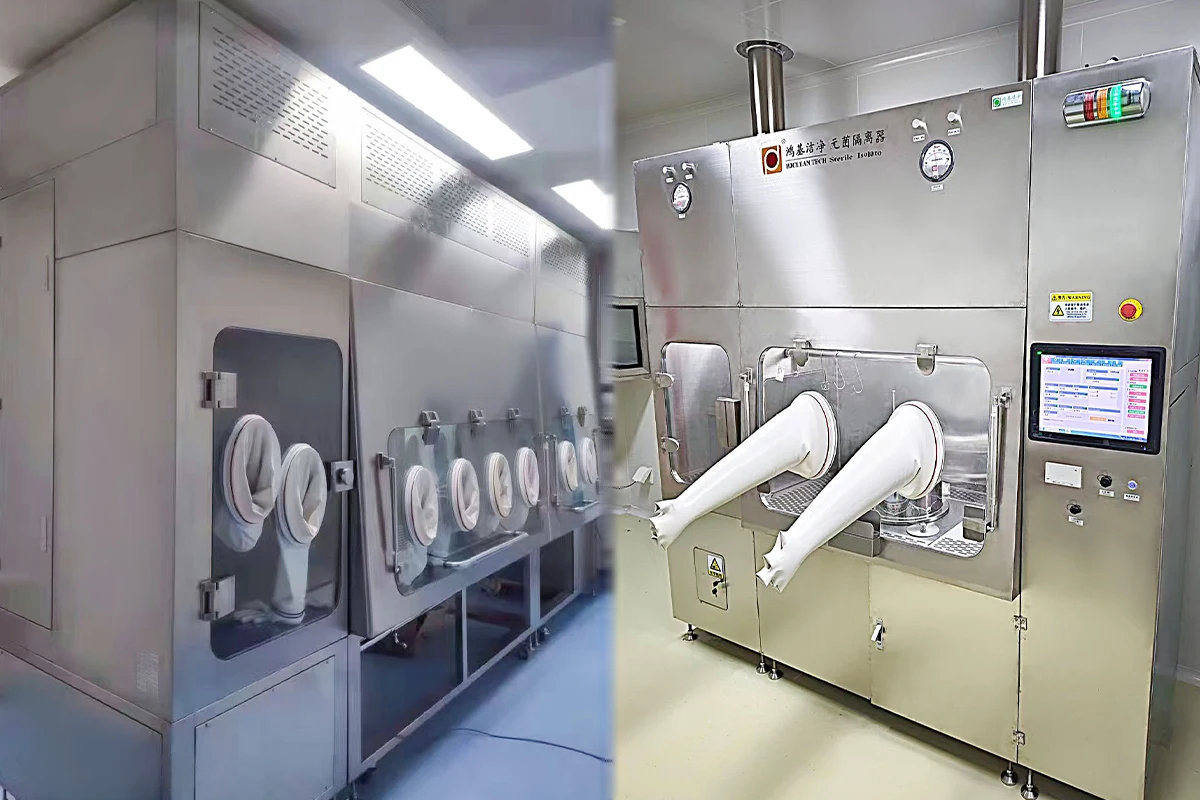
A: The core difference lies in pressure control and protection orientation, making them suitable for different process scenarios.
1. Aseptic Isolator
It operates under a slight positive pressure environment. Its core function is to separate contaminants from the external environment and operators to ensure product sterility and safety. The HJClean STI series aseptic isolator effectively eliminates microbial contamination from outer packaging, establishes an operator-independent isolation system, and stably maintains a Class A controlled clean microenvironment. Equipped with a dedicated VHP hydrogen peroxide sterilizer, sterilization residue removal system, sterile air supply system, sealed chamber, HMI intelligent control and recording system, and computer validation software, it adopts standardized isolator safety level design. It supports compliant drug release and reduces factory environmental operating costs, and is widely used for various aseptic isolation operations in pharmaceutical, medical, healthcare, biological testing and other industries.
2. Negative Pressure Isolator
It runs in negative pressure mode with ultra-high air tightness, designed to prevent the spread of hazardous substances and protect operators and the external environment. The HJClean negative pressure isolator mainly consists of an operation chamber, continuous bagging system, RTP valve system, intelligent control system, cleaning and disinfection system, waste liquid collection module and other components, with customizable functional modules as required. It effectively prevents leakage of toxic, harmful and irritant substances, and is applicable to process operations involving hazardous substances that pose risks to human health and the environment.
It is widely used in fields such as anti-tumor drugs, high-potency biological products, and special animal experiments.
3. Selection Recommendations
When product sterility protection, microbial control and routine cleaning operations are prioritized, an aseptic isolator is preferred.
When handling highly toxic, high-potency, sensitizing and infectious substances, select a negative pressure isolator to ensure personnel and environmental safety.